Introduction
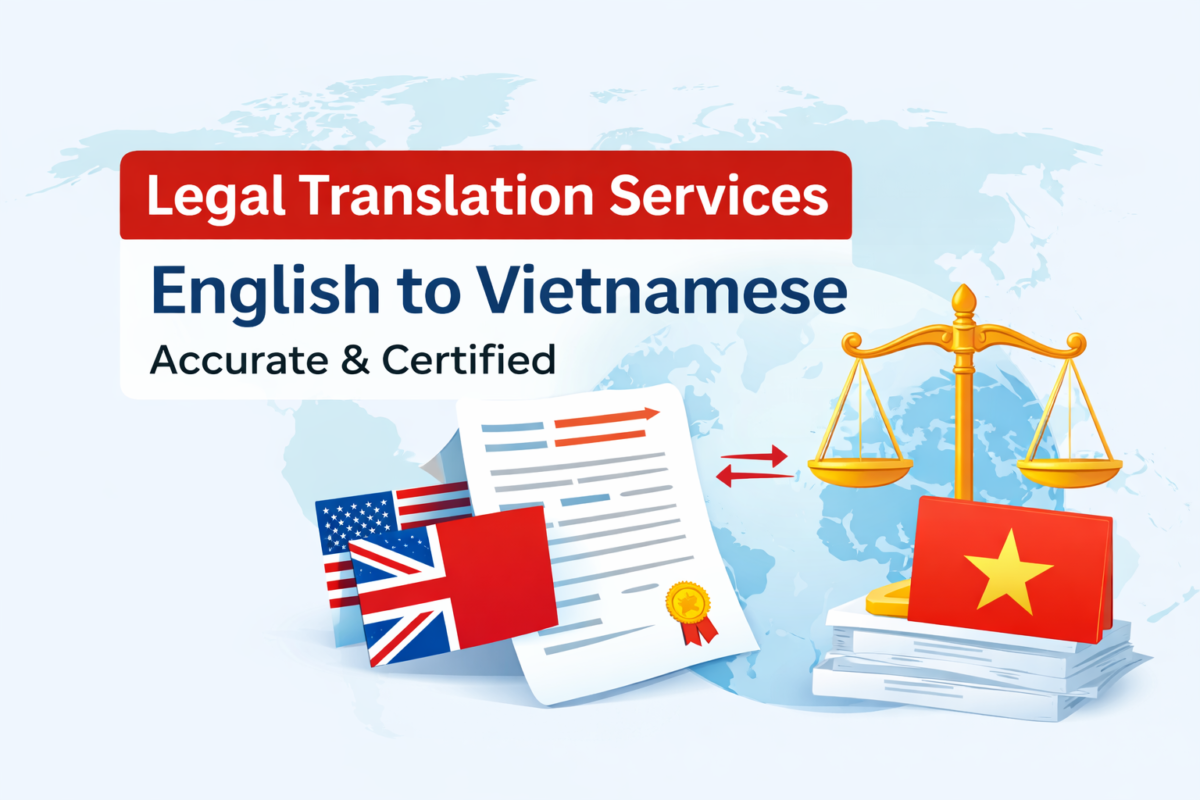
Nowadays, moving legal words between tongues matters more than ever. When firms grow overseas, sort visa papers, or sign cross-border deals, shifting legal translation from English into Vietnamese services keeps things precise and keeps rules intact. Truth hides in how carefully terms pass through borders, one phrase at a time.
Fine details matter when moving laws across languages – slip-ups can be expensive. One wrong word might change everything a contract means. Culture shapes how rules are seen, so that must fit too. Only someone trained in law knows what stays safe on paper. Meaning shifts quietly if the translator lacks courtroom awareness. Exactness keeps agreements strong where courts enforce them.
Legal Translation Explained?
Starting off, legal translation means turning papers from one language into another without losing what they truly say. Not only must the words shift, but so should the layout stay just right. Often overlooked, the lawfulness of these texts needs to carry through in the new version. Through careful work, every detail keeps its weight across languages.
This includes:
- Contracts and agreements
- Court documents
- Immigration papers
- Business licenses
- Intellectual property documents
Legal translation from English to Vietnamese matters
With Vietnam’s economy picking up speed, companies worldwide are turning their attention there. Clear legal translations happen when every term lands just right.
✔️ Legal Compliance
When translations go wrong, paperwork might get rejected. Legal fights could follow if the meanings are off.
✔️ Business Expansion
Finding your way into Vietnam gets easier with support tailored to local rhythms. Smooth steps come from knowing the ground before planting feet.
✔️ Immigration and Documentation
Needed to get a visa, become a citizen, or receive government permission.
Legal Translation Key Challenges
Legal translation is complex due to:
1. Terminology Accuracy
Meaning stays fixed when legal words move between languages. Precision matters most in these translations.
2. Cultural Differences
Law structures in Vietnam take a different path compared to nations where English rules courtroom talk.
3. Formatting Requirements
Legal documents must follow strict formats.
Translating Legal Texts From English to Vietnamese
Here’s how professional services ensure accuracy:
Step 1: Analyze Documents
Understanding legal context and terminology.
Step 2: Professional translation
Legal work done by people who speak Vietnamese as their first language.
Step 3: Proofreading and Editing
Keeps mistakes out while staying within legal lines. What shows up is clean, clear, and follows rules without drawing attention.
Step 4: Certification
Fully certified versions are handed out whenever needed.
Benefits of Professional Legal Translation Services
Choosing expert services like FAS Localize offers:
- ✅ Certified translations
- ✅ Confidential document handling
- ✅ Fast turnaround time
Industries Requiring Legal Translation
- Law firms
- Immigration agencies
- Corporate businesses
- Government organizations
- E-Commerce Companies Expand Into Vietnam
Tips for Choosing the Right Legal Translation Service
- Look into professionals who hold official translation credentials
- Ensure experience in the legal domain
- Verify confidentiality policies
- Find people who speak Vietnamese naturally
Conclusion
When documents move between English and Vietnamese, precision matters most. Working with skilled translators means laws stay clear across borders. Mistakes fade when experts handle wording for companies or private needs. Clear language follows rules without confusion. Global talks gain strength through correct terms. Success often hides in how well words travel.
FAQ Section
1. Legal Translation Explained?
Starting off, legal translation means turning papers from one language into another without losing their true legal sense. Accuracy sticks around when words shift across languages. Not every detail gets lost in the process – meaning holds firm. What matters is how closely the new version matches the old one legally. Shifting terms happens carefully so nothing changes in court or contracts. The goal stays clear: keep it correct, keep it lawful.
2. Why is certified translation important?
A stamp of approval often comes when official papers go through certified translation. Authorities tend to accept these versions without question.
3. How long does legal translation take?
A fast finish isn’t guaranteed – speed changes with how tangled the paperwork gets. Yet firms built for this kind of work usually deliver without dragging their feet.
4. Is machine translation suitable for legal documents?
Faults that matter can slip through without a person guiding the words. Machines alone aren’t sharp enough for law’s fine edges.