

Introduction
In today’s globalized world, communication between different languages and cultures has become more important than ever. Businesses, organizations, and individuals often need to share information across linguistic boundaries. However, translating content accurately requires more than simply converting words from one language into another.
This is where translation theory becomes essential. Translation theory provides the principles and methods that guide translators in producing accurate and meaningful translations. It focuses on maintaining the original meaning, tone, and context of the message while adapting it to the target language.
Understanding translation theory helps language professionals deliver high-quality translations and ensures effective communication between global audiences.
What Is Translation Theory?
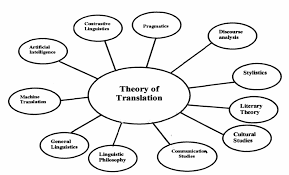
Translation theory refers to the study of the principles and strategies used in the translation process. It helps translators understand how meaning can be transferred from one language to another without losing the original intent.
Different languages have unique grammar structures, expressions, and cultural references. Translation theory provides guidelines that help translators overcome these differences and produce natural and accurate translations.
These theoretical approaches are widely used in professional language services, including human translation, localization, and multilingual content creation.
Key Principles of Translation Theory
Accuracy
Accuracy is one of the most important principles in translation theory. Translators must ensure that the translated content reflects the exact meaning of the original text.
Context Preservation
Words often have different meanings depending on the context in which they are used. Translation theory emphasizes preserving the context so that the translated message remains clear and relevant.
Cultural Adaptation
Cultural differences can influence how a message is interpreted. Translators must adapt certain phrases, idioms, or references to match the cultural expectations of the target audience.
Clarity and Readability
A good translation should sound natural in the target language. Translation theory encourages translators to create content that is easy to read and understand.
Role of Translation Theory in Human Translation
Human translators rely heavily on translation theory to interpret meaning accurately. Instead of translating word by word, professional translators analyze the overall message and adapt it appropriately for the target language.
Human translation is particularly important for business communication, marketing materials, legal documents, and website content, where accuracy and clarity are essential.
By applying translation theory, human translators can deliver high-quality translations that maintain both meaning and cultural relevance.
Translation Theory and Localization
Machine Translation Post-Editing (MTPE) is another area where translation theory is applied. In this process, machine-generated translations are reviewed and improved by professional translators.
Translation theory helps linguists identify errors, correct grammar issues, and refine the meaning of machine translations. By combining technology with human expertise, MTPE allows businesses to produce multilingual content efficiently while maintaining quality.
Frequently Asked Questions
What is translation theory?
Translation theory studies the principles and strategies used to translate text from one language to another while maintaining meaning and context.
Why is translation theory important?
It helps translators maintain accuracy, clarity, and cultural relevance in translated content.
How does translation theory support localization?
Translation theory guides localization experts in adapting content for different cultural and regional audiences.
Is translation theory used in machine translation?
Yes. Translation theory helps linguists edit and improve machine-translated content through MTPE.
Conclusion
Translation theory forms the foundation of professional translation practices. It provides translators with the knowledge and strategies needed to deliver accurate and meaningful translations across languages.
By applying translation theory, language professionals can ensure that translated content maintains its original meaning, context, and cultural relevance. This is essential for businesses and organizations that communicate with global audiences.
As international communication continues to grow, translation theory will remain a key element in delivering high-quality language services.